

What is a Suprapubic Catheter and How does it Work?
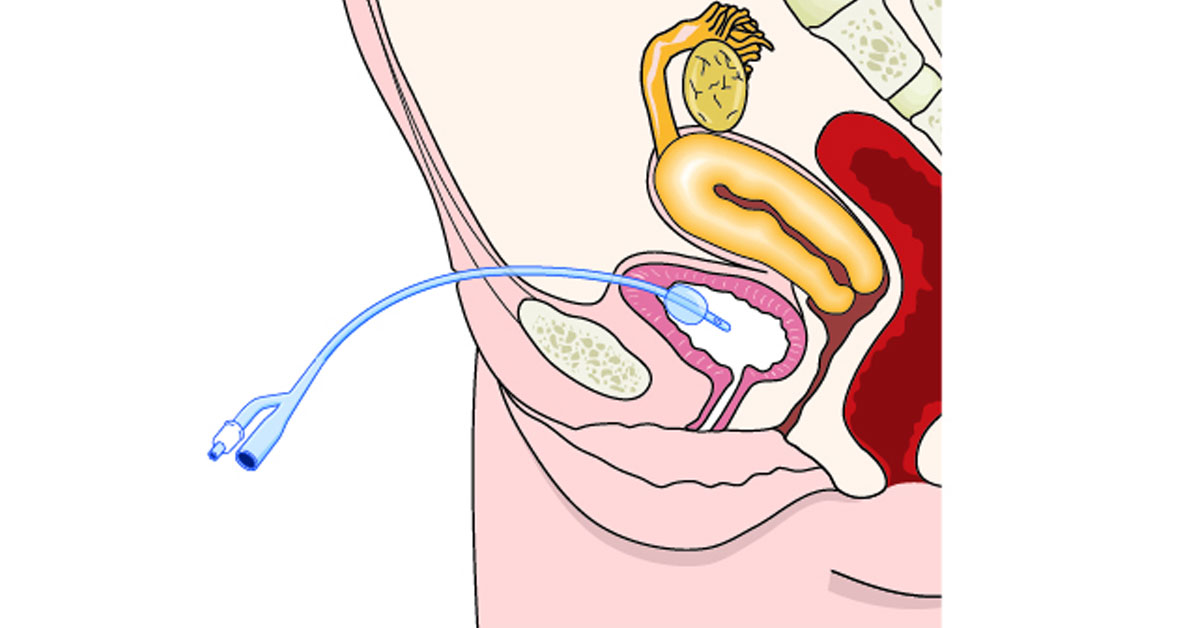
Indwelling foley catheters are soft, hollow tubes that are inserted into the bladder to drain urine. They are held in the bladder by a water-filled balloon. Sometimes the catheter is inserted via the urethra and sometimes it is done suprapubically (see image below).
What is a Suprapubic Catheter?
A suprapubic catheter is a foley catheter that is inserted directly into the bladder via an incision in the abdominal wall.
Do I Need a Different Catheter?
The same kind of indwelling catheter can usually be used both via the urethra and via a suprapubic incision; check with your healthcare professional if you are unsure. If you are to have a suprapubic catheter inserted, it will be done as a procedure in hospital under local or general anesthetic.
How Does a Suprapubic Catheter Work?
In the same way as an indwelling catheter inserted via the urethra; by draining urine from the bladder. You will need a catheter bag or catheter valve fitted to collect and drain the urine.
What are the Advantages of a Suprapubic Catheter?
Suprapubic catheters have a number of benefits over urethral catheters; people find them more comfortable and easier to look after, they are usually easier to change, they remove the risk of urethral trauma and they are less likely to block. Having a suprapubic catheter also makes having sex easier as the catheter is out of the way.
What are the Disadvantages?
Urine may leak around the suprapubic catheter or occasionally there may be a discharge that doesn’t require any treatment. Urine can also leak via the urethra. Your healthcare professional will be able to provide further information if you have any concerns.
How to deal with Catheter Blockages?
Despite a lower risk, suprapubic catheters can still block. So, what should you do if your catheter is blocked? If you think there is a blockage, contact your healthcare professional. There are many reasons why a catheter may block, and the reason will need to be determined in order to address it. If the blockage is due to encrustations (crystal formation on the catheter), a more frequent catheter change or use of bladder maintenance solution may be recommended. If you have lots of sediment in your urine, you may be advised to switch to an open ended catheter