
A spinal cord injury can be divided into two types. An incomplete injury means the spinal cord is still able to transmit some messages to or from the brain. People with incomplete injuries retain some sensory function and may have some control of muscle activity below the injury site. A complete injury means that there is no nerve communication below the injury site; sensory and motor function below this site is lost.
There are 50,000 people living in the UK with a spinal injury, and each year 2,500 people are injured or diagnosed with a life changing injury. Most injuries are a result of a sudden trauma, but they can be caused by conditions such as cancer, and Cauda Equina Syndrome – a rare and severe type of spinal stenosis where the nerves in the lower back suddenly become severely compressed.
A spinal cord injury can interrupt communication between the brain and the nerves in the spinal cord that control bladder and bowel function. This can cause bladder and bowel dysfunction known as neurogenic bladder or neurogenic bowel. Up to 30% of those who lose control of their bladder following an injury, may regain function again sometime after the injury. Bladder challenges may include Urgency (the sudden urge to pass urine), Frequency (passing urine frequently) and Nocturia (the need to pass urine at night). Incomplete emptying (retention of urine) is also common.
Bowel challenges may include Incontinence, urgency, and constipation. Many people feel isolated or embarrassed when they experience bladder or bowel challenges, but it is important you speak to a health care professional to obtain the right information and support as they can advise you of the best plan to manage your symptoms. Good bladder and bowel management is critical with a spinal cord injury.
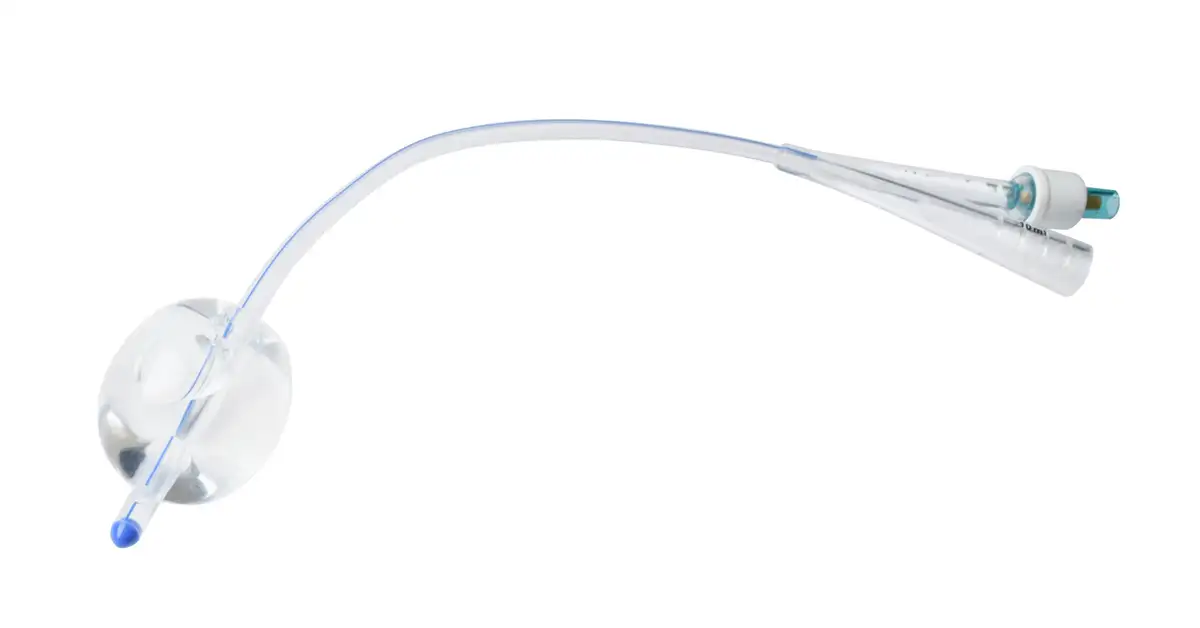
Management of bladder issues with a spinal cord injury include catheters, sacral nerve stimulation and bladder botox. Bowel challenges may be helped by trans anal irrigation.
Category
Date
October 7, 2026