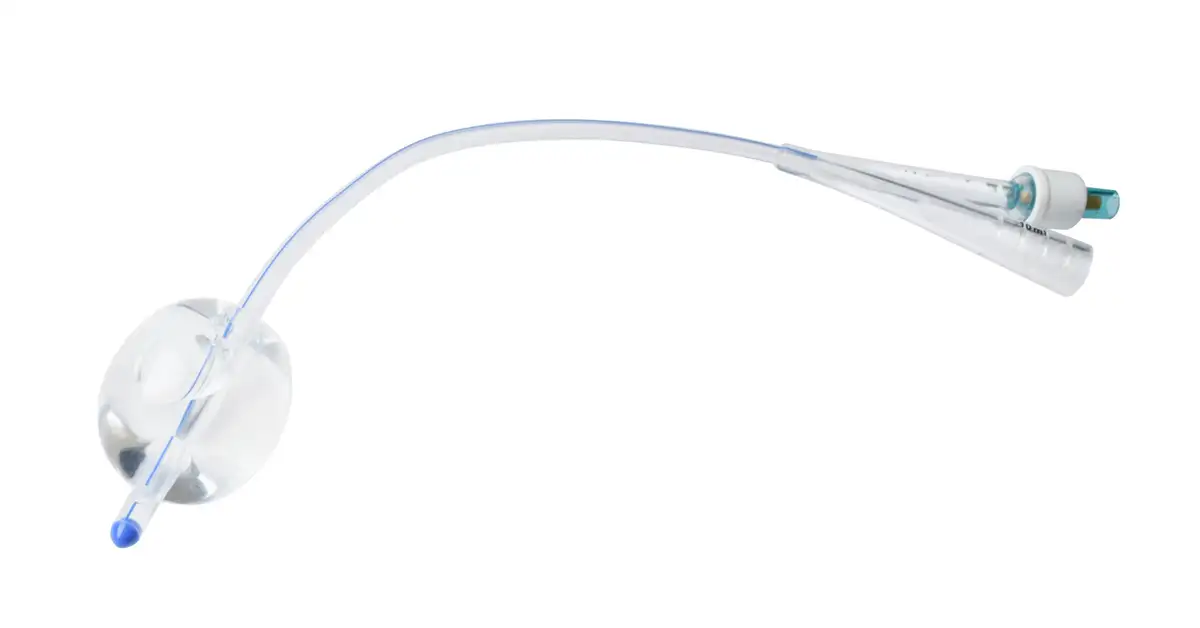

Urinary incontinence is the term given to a condition whereby someone has difficulty controlling their bladder and experiences urine leakage. It is something that can have massive repercussions on a person’s quality of life.
There are different types of urinary incontinence which are explored below.
Stress Incontinence is whereby a person will leak urine when the bladder is under pressure; due to you sneezing, laughing, or coughing, for example.
This is where you will leak urine as you feel a strong, sudden need to pee.
In this situation you will be unable to completely empty your bladder, a condition known as chronic urinary retention. Because there is residual urine in the bladder, it can leak out.
Total incontinence is where the bladder cannot store any urine which leads to frequent leaking.
It is suggested that around 14 million people in the UK suffer with incontinence. It is more common in women than it is in men, due to factors such as childbirth causing bladder and pelvic muscle weakness, but men can be affected as well.
Many do not seek medical help because of embarrassment or because they think nothing can be done to help manage urinary incontinence, but this is not the case. In some instances of mild incontinence, you can train and strengthen your bladder to overcome the problem completely. Women who are experiencing bladder weakness, for example, can do regular pelvic floor exercises. Apps, such as the Squeezy App, can provide support to help you remember to do your exercises at various points in the day.
Beyond this there are medication options, incontinence aids, such as a sheath system for men, as well as surgical options. It is worth noting however that surgery does tend to be a last resort where other ways of managing incontinence have been unsuccessful.
Category
Date
October 7, 2026