
Multiple Sclerosis (MS) is a long-term condition affecting the brain and spinal cord (the central nervous system). It causes damage to the myelin coating (a protective coating) on nerves by the immune system and affects 130,000 people in the UK. There are 7,000 newly diagnosed cases each year cases each year and MS is three times more common in women. It is also the most common central nervous condition affecting young adults.
With MS your own immune system mistakenly attacks itself. When this happens your immune system can destroy the myelin coating, disrupting the messages that pass along nerves. This can cause a variety of symptoms, including bladder problems.
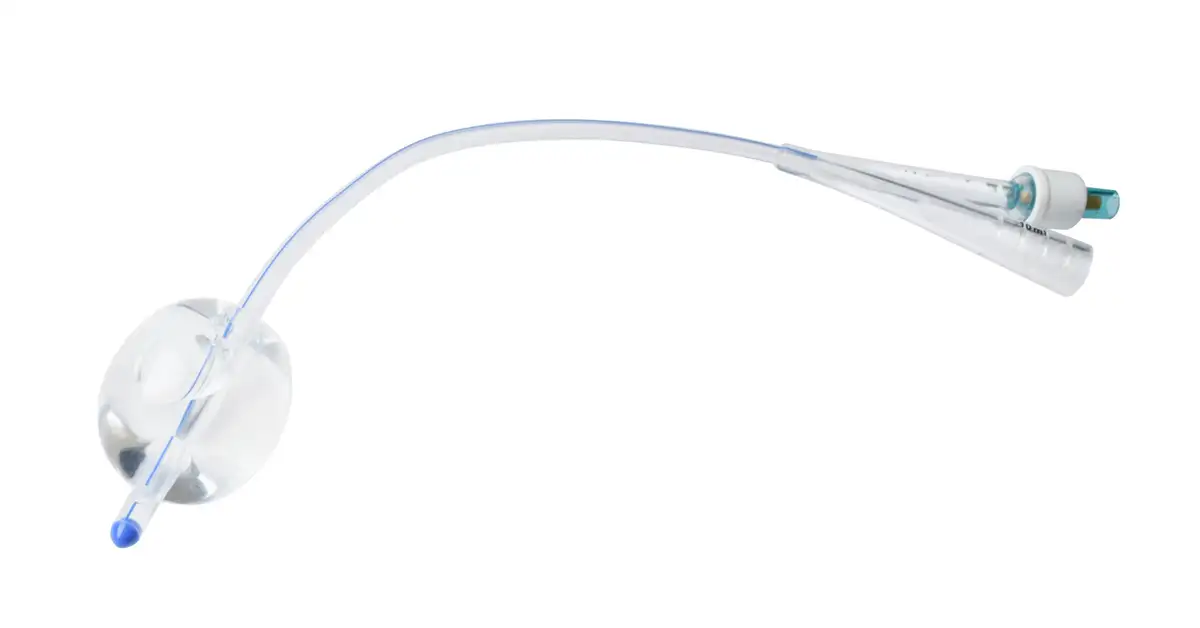
Up to 90% of people with MS will experience bladder challenges as nerve pathways can be affected causing an interruption to the messages reaching the bladder. You may experience Urgency (the sudden urge to pass urine) and\ or Nocturia (needed to urinate at night). Urine storage and emptying challenges can also be experienced. If you have challenges with urinary retention, catheters may be needed to help empty the bladder.
Seven out of ten people with MS may also experience Bowel challenges at some point (Neurogenic Bowel Dysfunction). Bowel function is controlled by the brain and spinal cord and the bowel has its own nervous system. Lesions (the area of nerve damage) in the brain or spinal cord affect the messages travelling from the brain to the bowel and anal sphincter. Symptoms can include constipation and \ or faecal incontinence.
Many people feel isolated or embarrassed when they experience bladder or bowel challenges, but it is important you speak to a health care professional or your MS specialist nurse to obtain the right information and support. They can advise you of the best management plan to achieve the best outcome.
Category
Date
October 7, 2026