There are approximately 90,000 people in the UK that have a long-term indwelling catheter (urethral or suprapubic). They are frequently used in men over the age of 70 years and there are many long-term catheter users in care homes.
Long-term catheters can be a necessity for people who are living with long-term conditions such spinal injury or multiple sclerosis and other forms of bladder management have been deemed unsuitable.
Catheters can be prone to complications including infection or urosepsis, blockage, bypassing and pain. Recurrent blockage will lead to more frequent catheter changes.
The risk of infection with an indwelling catheter increases at 5% per day. Many catheter associated infections are preventable and treatable. A poor catheter insertion technique, inadequate daily hygiene regime and ineffective catheter management will all promote the risk of infection.
Some causes can be simply rectified by ensuring the catheter is kink free or the drainage bag is positioned well. A good hygiene regime is vital to reduce the risk of bacteria tracking up the system and causing an infection.
However, up to 50% of catheter blockage is due to encrustation. Urease producing bacteria, such as proteus mirabilis (found in bowel flora), raises urine pH and promotes formation of calcium and magnesium phosphate crystals in the biofilm. A urine pH above 6.7 can promote the formation of these crystals. The biofilms become antibiotic resistant and the catheter requires a more frequent change.
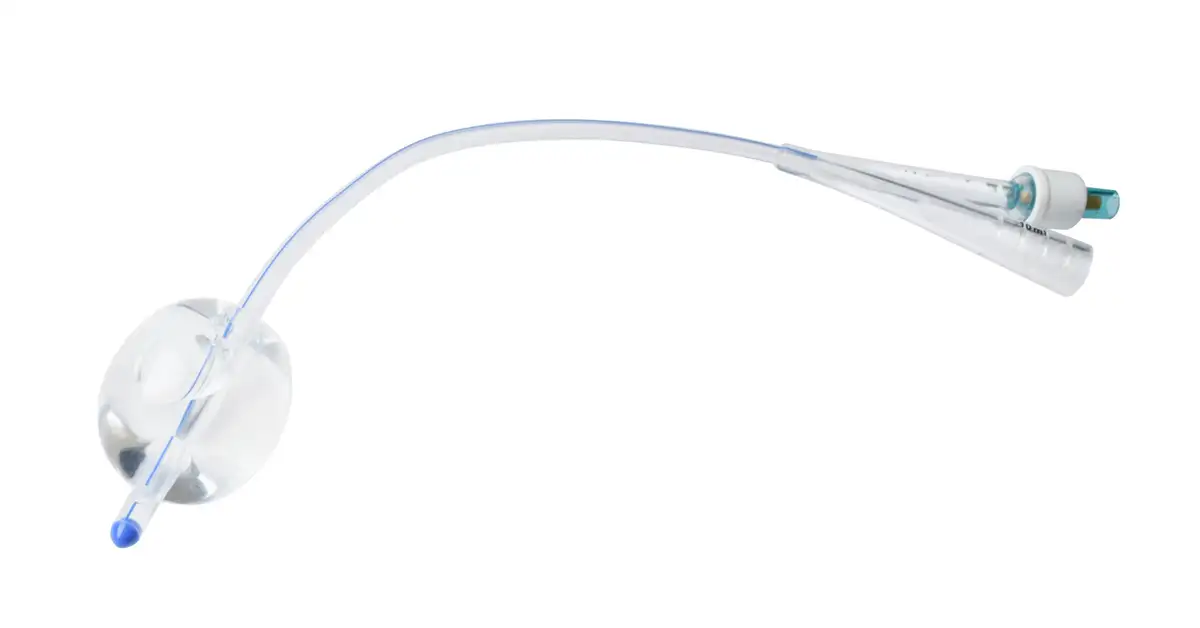
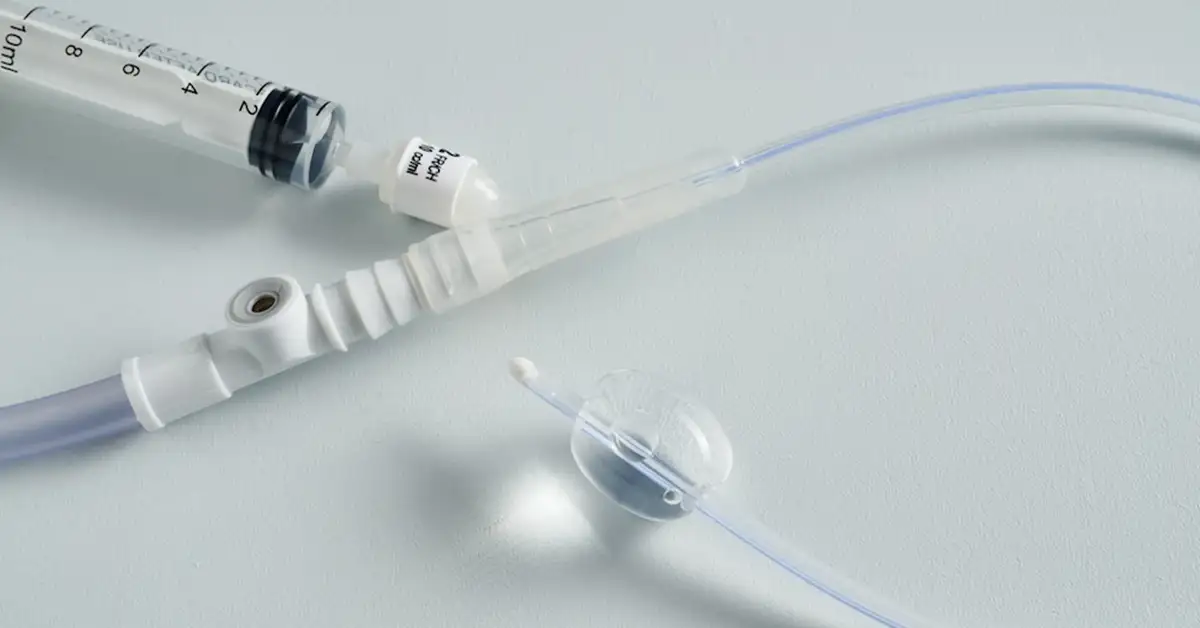
Trying a different catheter such as all silicone or open ended can be effective. Pre-empting blockage can reduce complications simply by changing the catheter before it blocks. This will also reduce the usage of catheter maintenance solutions that can cause mucosal trauma in the bladder.
Maintaining an adequate fluid intake to remain hydrated and sufficient fibre in the diet
The key entry points for bacteria are the urethral meatus, The junction between the catheter and the bag and the drainage tap on the collection bag. Maintaining daily hygiene is of great importance whilst ensuring good practice with changes and emptying of drainage bags. Maintaining a closed drainage system is vital to reduce the risk of bacteria entering the system.
Open ended catheters were developed to reduce the risk of blocking by allowing a higher urine flow and the potential of draining larger amounts of debris. Debris can be secondary to sloughing of the urothelium, mucus and haematuria. All silicone catheters also have a wider internal lumen so changing from a multi-layer catheter may prove beneficial in promoting better catheter management.
Thanks to Karen Powell, Head of Clinical Governance, from the Clinisupplies Nursing Team for writing this resource.
Category
Date
October 7, 2026